With TNA Wrestling currently undergoing what has been described as a workforce reduction, Eric Bischoff has responded to criticism over his previous prediction that the company could eventually become the number-two wrestling promotion in North America.
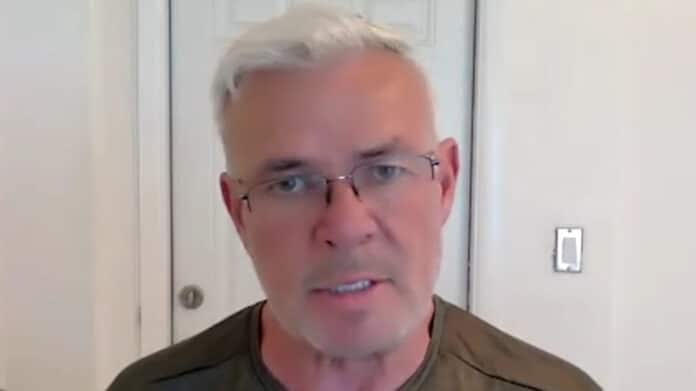
Speaking on 83 Weeks, Bischoff stood by his original assessment but stressed that it was heavily dependent on circumstances that ultimately never materialized. “With the right TV deal, yes, I still think that’s possible.”
Bischoff explained that when he made the prediction, he believed TNA’s working relationship with WWE would develop into a much deeper strategic partnership. “The relationship with WWE and TNA looked to be like one that was going to be a good, strategic, sound relationship. I thought there was going to be a lot more back and forth with talent, build up some of the NXT talent within the TNA environment, in front of a real crowd, and then move them back into NXT or on into Raw, SmackDown.”
According to Bischoff, that vision never became reality. “Had that happened, which it clearly has not, it’s like that relationship essentially stopped the minute the new TV deal was announced. At that point, I believed that TNA could become the number two organization. Clearly, those circumstances don’t exist.”
Bischoff then shifted his focus to what he sees as the biggest challenge facing any wrestling company attempting to succeed on television.
Drawing comparisons to past TNA regimes, he argued that a promotion cannot simply have a television show—it must fully commit to producing television at a high level. “If you’re going to commit to being a television-driven wrestling property, you have to commit to the television part. You have to book your shows, write your shows, produce your shows in a way that’s going to ensure your survival within the television industry, and that takes a big commitment. That takes money.”
Bischoff became increasingly passionate while discussing the topic. “I don’t know why the f—- this is so hard for people to understand. This is basic s—-. If you’re going to make a commitment and say I’m in the wrestling business and I have a TV show, then you better have the money to back it up.”
He also emphasized the importance of presenting wrestling in front of legitimate live crowds rather than relying on studio-style environments. “You’ve got to produce your show in front of a live audience, a real audience, not a paper house in a sound stage. If you don’t have the resources long term to actually get in the game, stay off the field and save your money.”
TNA has undergone several changes in recent weeks, including departures from both its roster and management structure. While Bischoff believes the company’s path to becoming a true industry number-two remains possible under the right conditions, he made it clear that substantial television investment and long-term strategic planning would be required for that vision to become reality.