
WWE has encountered a setback in its efforts to secure additional trademark protection for Randy Orton’s iconic RKO finishing move, with the United States Patent and Trademark Office (USPTO) raising concerns over potential conflicts with existing trademarks associated with RKO Pictures.
According to the filing, the USPTO issued a nonfinal refusal of WWE’s application to trademark “RKO” on November 3, 2026, citing similarities between the company’s proposed mark and previously registered trademarks.
The examining attorney determined that the shared use of “RKO” could create a likelihood of confusion, particularly because the wording is identical or dominant across the marks in question.
“Applicant’s and registrant’s marks all share the sole or dominant literal element ‘RKO,’ one of registrant’s marks is in typed form and is identical to applicant’s mark.”
The decision does not represent a final rejection of WWE’s application. Instead, the company has been given an opportunity to respond to the USPTO’s objections and present arguments or supporting evidence explaining why its proposed trademark should be approved.
WWE has until February 3, 2027, to submit its response. The company may also request an additional three-month extension by paying the required fee.
The original trademark application was filed on July 6, 2026, as WWE sought to expand its legal protection of terminology associated with Orton’s long-running wrestling career.
WWE already holds several trademarks connected to the RKO, including registrations covering merchandise associated with the signature finishing move.
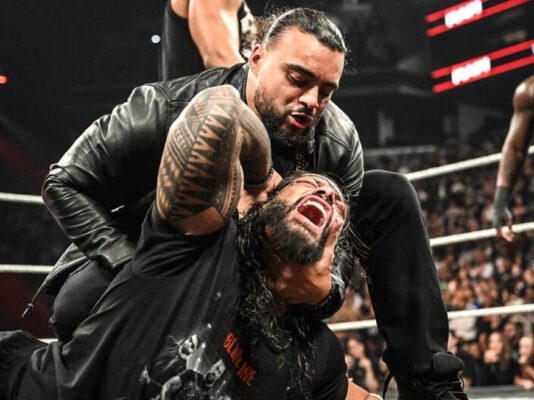
The RKO has been a defining part of Orton’s WWE persona for more than two decades, becoming one of the most recognisable finishing moves in professional wrestling.
Its popularity has also extended beyond wrestling audiences through viral videos and the widely recognised “RKO out of nowhere” meme, which helped introduce the move to a broader mainstream audience.
While the USPTO’s initial refusal presents an obstacle, WWE still has an opportunity to challenge the objections before a final determination is made on the application.