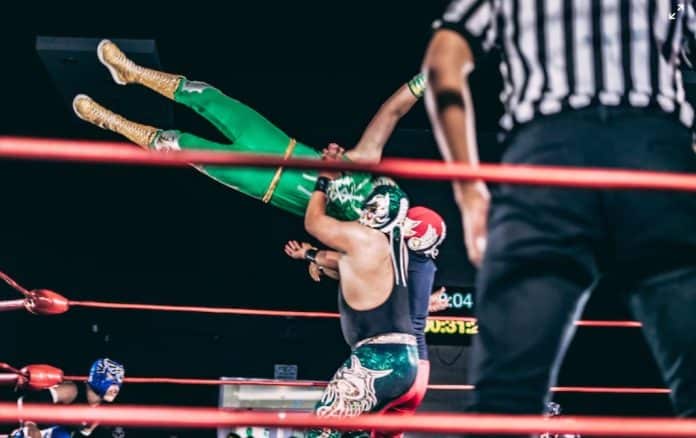
Between 2010 and 2025, WWE went through a full cultural reset: the “reality-era” tension of the early 2010s, the faction-and-streaming revolution mid-decade, and the long-form championship storytelling that defined the 2020s. If you zoom out, the easiest way to see the arc is to track the top fives that shaped what fans now think of as “modern WWE.”
Top 5 era-defining moments that changed the direction of the product
- CM Punk’s “Pipe Bomb” (2011)
One promo flipped the power dynamic between audience and company: Punk openly blurred the line between storyline and real frustration, and WWE never fully went back to pre-2011 “say your lines and smile” simplicity. - Money in the Bank 2011’s main event shockwave
Punk beating John Cena for the WWE Championship at Money in the Bank didn’t just deliver a classic match – it proved that “hot crowd + real stakes” could carry a whole summer of TV. - The Shield arrives (2012)
The Shield debut at Survivor Series 2012 introduced a new template: three-man units that felt like an actual force, not just a weekly gimmick, and all three members became future pillars. - WrestleMania 30: the night the crowd won (2014)
Daniel Bryan’s WrestleMania 30 title win became the symbol of a decade where fan momentum could become booking momentum – sometimes loudly enough that it couldn’t be ignored. - WrestleMania 41 goes full “late-era” blockbuster (2025)
Two-night WrestleMania became the norm, and 2025 delivered a history headline: John Cena defeating Cody Rhodes to win the Undisputed WWE Championship for a record 17th world title.
Top 5 matches that defined the modern WWE in-ring feel
- CM Punk vs John Cena – Money in the Bank 2011
A masterclass in pacing: it’s part wrestling match, part crowd psychology lecture, and still the blueprint for “big-fight energy” in WWE arenas. - The Undertaker vs Brock Lesnar – WrestleMania 30
The Streak ending instantly rewired what fans believed WWE would or wouldn’t do on its biggest stage. - Daniel Bryan vs Randy Orton vs Batista – WrestleMania 30 main event
The match is remembered less as a “spot list” and more as a payoff to an entire movement – an ideal example of story and stakes upgrading every near-fall. - Becky Lynch vs Ronda Rousey vs Charlotte Flair – WrestleMania 35
The first women’s main event in WrestleMania history didn’t just make a point – it proved the division could carry the same pressure and spectacle as any headline bout. - Roman Reigns vs Cody Rhodes – WrestleMania XL (2024)
Whether you describe it as epic melodrama or superhero chaos, it capped a two-year chase with the kind of arena emotion WWE builds its identity on.
From wrestling content to monetization: where affiliate marketing fits
If you’re the type of fan who’s turned WWE into a content habit – recap threads, TikTok breakdowns, long YouTube essays – there’s a parallel economy around that attention. Creators who cover combat sports and sports entertainment often drive traffic that overlaps with broader betting-and-casino interest, and some choose to monetize through an affiliate setup. In that lane, working with the Melbet affiliate program can be a structured way to do so without turning every post into an ad.
At a practical level, the model is straightforward: you publish content, generate referral links, and track performance through analytics and attribution (cookie tracking and standard last-click logic are common in iGaming affiliate stacks). Programs in this category usually offer multiple payout models – CPA, revenue share, or hybrid – plus localized creatives and support that helps partners refine funnels and traffic quality over time.
And scale matters, because scale changes conversion patterns. Brand fact sheets for platforms in this space emphasize global reach, multi-language support, and large user bases – useful context when you’re deciding whether a partnership is built for long-term volume or just short-term hype.
Top 5 rivalries and long arcs that carried whole years of TV
- John Cena vs CM Punk (2011-2013)
This rivalry made “mainstream face vs antihero voice of the crowd” the defining WWE conflict of the early 2010s. - The Shield: unity → betrayal → legacy (2012 onward)
The group’s debut created three singles megastars, and the story kept paying dividends for years because fans never stopped believing in the bond. - The Streak’s end and the Lesnar aura (2014)
Once Lesnar beat The Undertaker at WrestleMania 30, “final boss Brock” became a permanent narrative tool WWE could deploy for a decade. - The Bloodline saga (formed 2021)
Long, character-driven, and loaded with family pressure, The Bloodline became the signature example of modern WWE’s slow-burn storytelling. - Cody Rhodes’ chase and the post-chase twist (2024-2025)
Finishing the story is hard; following it is harder. The 2025 WrestleMania 41 result shows WWE still loves the risk of swerving the “obvious” ending when the stage is big enough.
Top 5 breakout stars who helped define 2010-2025
- Roman Reigns – the decade’s dominant center of gravity, especially through the Bloodline era.
- Seth Rollins – the all-weather main-eventer: worker, character, and storyline pivot when WWE needs one.
- Becky Lynch – the face of a division becoming truly main-event permanent.
- Bianca Belair – a modern prototype: athletic credibility, star presence, and big-match comfort on the largest stages.
- Cody Rhodes (second WWE run) – proof that reinvention plus patience can turn a return into a multi-year headline.
Top 5 business and presentation shifts that changed how fans consume WWE
- WWE Network launches (2014) – streaming became central to the ecosystem.
- WrestleMania becomes a two-night tentpole – the weekend turns into an entire season finale format.
- WrestleMania 37 brings ticketed fans back during the pandemic (2021) – a symbolic “live wrestling is back” checkpoint.
- Faction storytelling goes long-form – The Bloodline is the cleanest example of the new patience.
- WrestleMania 41’s international streaming pivot (2025) – WWE’s distribution model keeps evolving with platform deals.
By 2025, WWE’s “top five” story isn’t just about bigger moves – it’s about longer ones. The modern product rewards attention and memory: the more you watch, the more the callbacks resonate. That’s the core from 2010 to 2025: WWE learned how to make the past feel like an active part of the story, not just a highlight reel.