For every peak, there’s a valley.
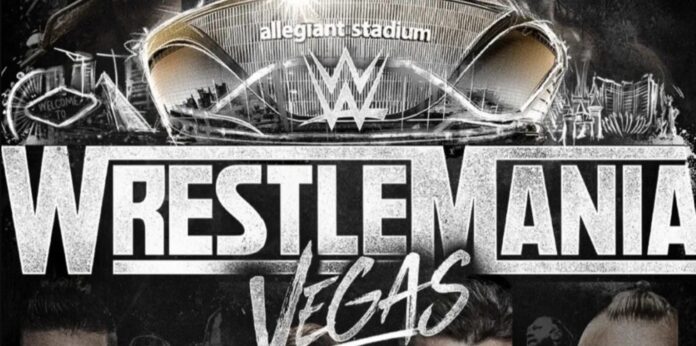
We’ve heard the rumblings over the past few weeks of lighter than expected ticket sales for Wrestlemania 42, the spectacle that is set to return to Las Vegas for the second year in a row in April. Originally, New Orleans was announced as the host city for the signature event before Las Vegas officials offered more cash for the rights fees to bring the show back again. Clearly, if Vegas was willing to not only pay for the event again, but also outbid New Orleans, it’s proof of how big the economic impact is for the city that lands a deal for Wrestlemania.
As an indication of the continued uncertainty around the economy, particularly through the international markets with tariffs imposed and how that trickle down effect can eventually impact American consumers, tourism for Las Vegas was down a reported 7.5% last year with the estimated 38 million visitors as the lowest since 2021 when the COVID-19 pandemic took its toll on domestic travel. It might sound trivial, but entertainment is one of the first categories that will be chopped from the average budget when households are concerned about disposable income. It’s a very simple scenario, when the cost of the essentials of food, utilities, etc. increase, it cuts into the amount of that disposable income. It might sound silly, but when ground beef and other groceries cost noticeably more, or when the electric bill increases, something that is a pure luxury such as traveling isn’t a priority.
It’s much cheaper to stay home and subscribe to a streaming service to binge watch a series of than it is to spend a few thousand dollars on a vacation, wrestling-related or not. Furthermore, with the continued implementation of AI, and how the previously mentioned international markets remain unpredictable, it’s a tough scenario for someone to plan an expensive trip at the start of the year when there could potentially be a downturn in the job market by the end of the year. If a computer takes someone’s place in November, it might be a difficult situation for someone without the cash that they could’ve saved for a financial emergency if they skipped that trip to Las Vegas in April.
According to The Wrestling Observer’s Dave Meltzer, the WWE sold an estimated 36,000 tickets for both nights so far, but that is considerably lower than the 60,000 tickets that were moved for both nights for the event around this time last year. The problem is two-fold, with the obvious concern being the 72,000-seat capacity of Allegiant Stadium so at this point, the company only has half a house for the biggest show of the year. Yes, I understand that they are getting fans to purchase two tickets, but that scenario is also a part of the problem, as doubling the admission fee could hinder ticket sales. The other problem that could be the reason for the concern of sluggish sales is that planning a trip to Las Vegas, and the travel crowd is what makes the Wrestlemania brand so valuable, is that it’s something that is usually done in advance because of the amount of reservations involved. That’s basically why there were almost double the amount of tickets sold for the show at this point last year.
For example, if fans are going to buy plane tickets to travel to Wrestlemania, it must to done at least a few months in advance because otherwise the cost of flights increase significantly. The same situation applies to hotel rooms, if they are booked on short notice, that generally translates to more expensive accommodations. Basically, if fans plan to attend Wrestlemania, they usually make the purchases associated with the trip by now.
For every peak, there’s a valley.
Some were misguided when they claimed that pro wrestling was in a boom period the past few years when the product was based around Cody Rhodes’ journey to the championship. Don’t get me wrong, the WWE had some very solid programming that served its audience very well, which is why the organization touted its financial success, but it’s not as though the genre was a part of the pop culture conversation or anything close to it. It goes without saying that it’s a different era, but when Raw and Smackdown garner under two million viewers on a regular basis in the United States, the business didn’t surge in popularity. However, that doesn’t take away from the success that the company had, there’s no doubt that it’s an accomplishment to be able to get fans to pay outlandish ticket prices the past few years.
However, as I wrote prior, most recently about the ESPN deal that increased the cost of pay-per-view to $30 a month for a subscription in America, there’s a tipping point to how much the typical WWE fan is willing to spend on the product. The majority of the fan base is only going to be willing or could even realistically afford to pay ab astounding amount for live event tickets. The company could only maintain that momentum around the product for a limited amount of time, which isn’t a knock on any of the talent, but rather just the logistics of the situation.
Yes, I know that there’s a diehard demographic of WWE fans that will attend every major event and sit next to the green shirt guy, but that’s not the causal demographic. When the cheapest ticket for WM 42 is around $350 for each night, there’s a portion of the population that simply can’t realistically afford it. The product itself is only going to be able to justify those prices for a specific period of time before there’s a natural decline in not only momentum, but demand for it.
While I understand why Las Vegas put the bid on the table to get the show for a second year, as there’s not only the track record of the brand, but also the numbers of the economic impact from 2025, I also understand why the same location two years in a row might potential hinder sales as well. Part of the draw of Wrestlemania is that it isn’t just the pay-per-view, but rather a week of events, which justifies the travel for the show. There’s more meat on the bone for those that attend, as they can tour the host city between the different portions of Wrestlemania week. When the show is in Las Vegas again, it takes away an incentive for those that were there last year since they already had a chance to explore the city.
In response to the lower ticket sales, Allegiant Stadium has a President’s Day sale of 25% off tickets for Wrestlemania 42. Again, if fans are going to travel to Las Vegas, those plans have to be made now, and the entire reason that the city paid to host the show again is to secure the tourism dollars so it’s understandable that the stadium wants to try to boost sales during the reasonable time frame when fans might be prompted to make plans to attend. Sure, there could be a local walk-up crowd so that the building doesn’t look partially empty by the time the show starts, but that’s not what the city paid for. Las Vegas quite literally has a vested interest in fans traveling to attend Wrestlemania since they bring in revenue for hotels, restaurants, etc.
The vast majority of this scenario has a lot more to do with economics than it does the content of the product.
Still, it’s understandable why they are reports that WWE brass are considering different plans for WM 42 as a way to jump start ticket sales, That being said, I honestly don’t think the line-up will truly make a difference in the grand scheme of things, as there are very few that truly move the needle in the business today, especially because the historical cache of the WM brand is what sells the majority of the show.
What do you think? Share your thoughts, opinions, feedback, and anything else that was raised on Twitter @PWMania and Facebook.com/PWMania.
Until next week
-Jim LaMotta
Email [email protected] | You can follow me on Instagram, Facebook, & Threads @jimlamotta89