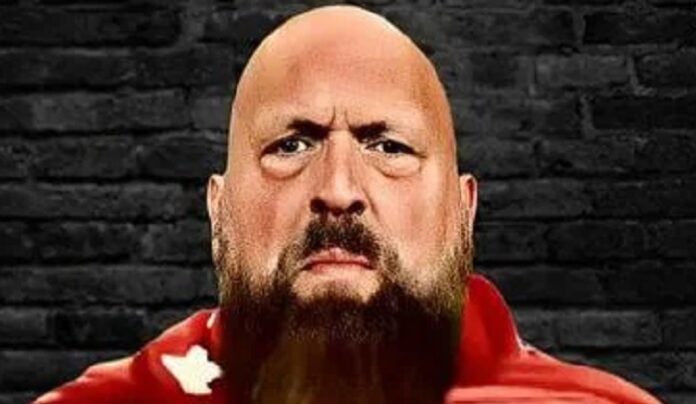
aul Wight has strongly rejected the long-standing wrestling mentality that younger performers must “pay their dues,” arguing that established veterans should be helping the next generation rather than making their careers more difficult.
During an appearance on TMZ’s Inside The Ring podcast, the former Big Show addressed the traditional idea that emerging wrestlers need to endure hardships simply because previous generations went through similar experiences.
Wight did not hold back when giving his opinion on the concept. “F*ck that bullsh*t, okay. Paying your dues to me is an old-timer’s way of intimidating and bullying and f*cking with a younger talent for no g*ddamn reason.”
Wight stressed that younger wrestlers should still arrive with respect and the right attitude, but he does not believe performers should be resented for finding success without enduring the same struggles as those who came before them. “If a talent comes in respectful with a good attitude, don’t come in like you own the place. Don’t have an attitude. But why should you take heat because your athleticism, your look, or what opportunities you’ve been given, you’ve been successful on? Why should someone hold that against you?”
The former WWE Champion pointed to the financial and physical hardships historically associated with breaking into professional wrestling, questioning why a new generation should deliberately be forced to repeat those experiences. “Because you didn’t drive for $35 a night and you didn’t set up some broken, torn-ass-down ring and you didn’t struggle for all this stuff. Okay, why punish somebody for that? You know, whether my thing is, when I came in, everybody was so mad at me ’cause my first match was against Hulk Hogan. I was 22 years old.”
Wight used his own introduction to the wrestling business as an example. His rapid rise immediately put him in a high-profile position, something that he says generated resentment from others despite being an opportunity he had been given rather than demanded. “Is that my fault? Should I have gone to independents? Should I have learned how people lie, manipulate, and bullsh*t in smaller leagues and promoters don’t pay you and all these other stories that all these other old-timers went through that made them seasoned?”
For Wight, expecting younger wrestlers to struggle simply because previous generations did amounts to bitterness rather than a meaningful wrestling tradition. “To me, that’s bitter sauce. I don’t like that, punishing a younger talent because that’s not what our business is about.”
Instead, Wight believes veteran performers should use their experience to guide younger wrestlers and help them avoid the same mistakes and difficulties they encountered during their own careers. “Our business should be about inspiring younger talent, helping them so they don’t make mistakes, helping them avoid pitfalls.”
Wight’s own career gives him a unique perspective on the subject. He entered the wrestling business at a remarkably high level, quickly becoming a featured attraction and working with Hulk Hogan early in his career before later establishing himself as a major star in WWE.
His position is that each generation should benefit from the knowledge accumulated by the one before it, rather than being expected to endure unnecessary hardships simply to prove that they belong in the industry.