There’s something about a masked wrestler soaring through the air that just grabs you. It doesn’t matter if you’ve watched wrestling your whole life or stumbled onto a random clip online. Lucha libre hits different. It’s faster, louder, more colorful, and it carries a weight of tradition that most wrestling styles can only dream about.
So what exactly makes lucha libre so special? And how did a regional form of Mexican wrestling end up reshaping the entire professional wrestling landscape? Let’s break it down.
Where It All Started
Lucha libre, which roughly translates to “free fighting” in Spanish, traces its roots back to the early 1900s in Mexico. The real turning point came in 1933 when Salvador Lutteroth founded Empresa Mexicana de Lucha Libre, now known as CMLL. Lutteroth took inspiration from American catch wrestling but added something the sport hadn’t really seen before: theatrical storytelling woven directly into the matches, with influences from Mexican folklore and culture.
From there, things took off quickly. Wrestling became one of Mexico’s most beloved forms of entertainment, second only to soccer. The luchadores, as performers are called, became genuine cultural icons. They weren’t just athletes. They were symbols of heroism, community pride, and regional identity.
That cultural magnetism is exactly why lucha libre keeps showing up in entertainment far beyond the ring. Game developers have taken notice too, the bold masks, vivid colors, and dramatic characters translate incredibly well into interactive formats. Thunderkick built an entire slot around it with Luchadora, pulling in the masked wrestlers, fiery peppers, and traditional Mexican music in a way that feels genuinely faithful to the source material. It’s one of the more popular themed titles on Big Pirate, and it speaks to something bigger about lucha libre’s reach. When a regional wrestling tradition from 1930s Mexico can inspire game designers nearly a century later, that’s not just entertainment. That’s cultural staying power.
Masks, Mystery, and High-Flying Mayhem
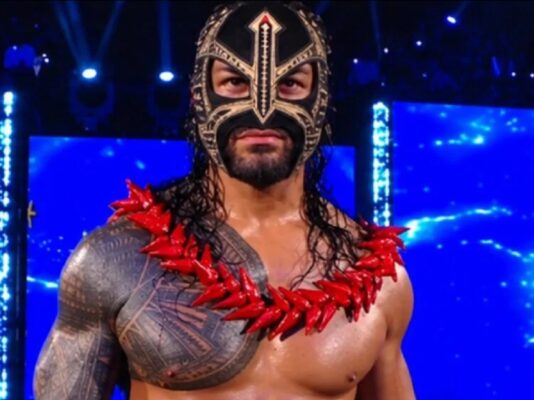
If you ask someone to picture a luchador, they’ll almost always imagine the mask first. And that makes sense, because the mask is everything in lucha libre. It represents the wrestler’s identity, their persona, their legacy. Losing your mask in a “Lucha de Apuestas” match, where competitors literally bet their masks against each other, is considered one of the most dramatic and emotional moments in all of wrestling.
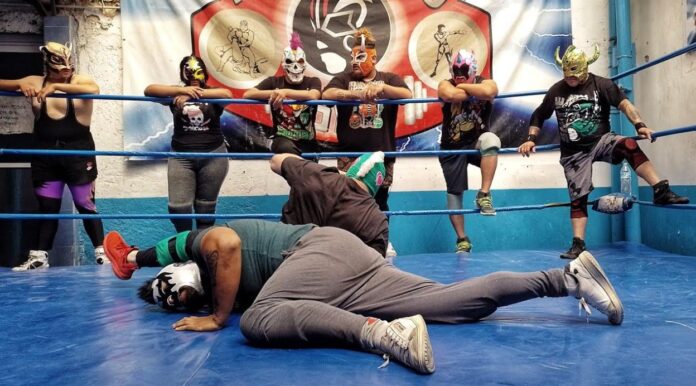
Then there’s the in-ring style itself. Luchadores tend to be lighter, quicker, and far more acrobatic than their American counterparts. Where U.S. wrestling historically leaned on power moves and brawling, lucha libre built its reputation on rapid sequences of holds, breathtaking aerial maneuvers, and a pace that keeps your heart racing from bell to bell. The hurricanrana, the plancha, the tope suicida, these moves are lucha libre gifts to the wrestling world.
And speaking of gifts, the storytelling structure deserves a mention too. Matches revolve around the classic battle between “tecnicos” (the good guys) and “rudos” (the villains). It’s simple in concept but incredibly effective. There’s a moral clarity to it that audiences connect with on an almost instinctive level.
Going Global: From Mexico City to the World
Lucha libre’s influence didn’t stay within Mexico’s borders for long. Legends like El Santo, Mil Mascaras, and Blue Demon became international stars, with El Santo in particular achieving fame that transcended movies, comics, and mainstream pop culture.
https://www.youtube.com/watch?v=7zcwtWEN30o
Then came the next generation. Rey Mysterio brought lucha libre to millions of WWE viewers, proving that smaller, high-flying wrestlers could absolutely be main event players. Eddie Guerrero, deeply shaped by lucha libre culture, became one of the most beloved performers in WWE history. More recently, names like Penta El Zero M and Rey Fenix have thrilled audiences in AEW, blending traditional lucha techniques with modern wrestling sensibilities.
In a major development, WWE acquired AAA, Mexico’s second-largest wrestling promotion, in 2025 through a partnership with Mexican entertainment group Fillip. That deal signaled something important: lucha libre isn’t just influencing mainstream wrestling anymore. It’s becoming an essential part of it.
A Cultural Phenomenon Beyond the Ring
Here’s what really sets lucha libre apart from other wrestling styles. It’s not just a sport or entertainment. It’s a cultural institution. In 2018, lucha libre was declared an intangible cultural heritage of Mexico City. The masks have inspired art, fashion, and design around the world. You’ll find luchador imagery on everything from murals to movie posters.
Wrestling fans who grew up watching El Santo films or cheering for Rey Mysterio understand this instinctively. Lucha libre carries an emotional charge that goes deeper than wins and losses. It speaks to identity, tradition, and the thrill of watching someone defy gravity while wearing a mask that means more than any championship belt ever could.
Why Lucha Libre Still Matters
Professional wrestling is constantly evolving. Styles blend together, new techniques emerge, and the line between different regional traditions keeps blurring. But lucha libre remains distinct. Its emphasis on acrobatics, storytelling through masks, and deep cultural roots give it an identity that can’t be replicated.
Every time you see a wrestler launch off the top rope with reckless abandon, every time a masked performer makes a dramatic entrance, every time a crowd erupts for an underdog pulled straight from lucha tradition, you’re watching the lasting impact of this Mexican art form.
Lucha libre didn’t just change professional wrestling. It gave the sport a soul it didn’t know it was missing.