Television tours and ticket sales still matter in professional wrestling, but they no longer carry the business alone. Media rights, streaming deals, stadium events, international distribution, and talent agreements now sit in the same commercial chain.
The Impact of Streaming Platforms on Distribution
Streaming has changed wrestling’s commercial base, moving major events away from one-off pay-per-view reliance toward recurring media rights and subscription income. Companies now package live shows, archives, documentaries, and shoulder programming as year-round content.
The same shift toward measurable digital audiences has made traffic monetization more practical for sports publishers, channel owners, and influencers. A creator producing wrestling reviews, match predictions, or fight coverage can work with Betoholic to assess traffic by GEO, audience profile, and placement format, then receive a gambling offer through a promo code, affiliate link, or event-specific integration.
Streaming has weakened old regional limits. Rights holders can release events across territories at once, reducing dependence on local broadcasters.
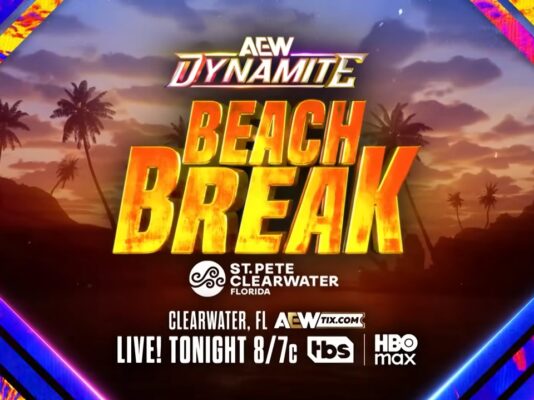
WWE premium live events reach over 180 countries. AEW Dynamite continues to air on TBS and international affiliates. New Japan Pro-Wrestling World provides live events in English and includes subtitled backstage comments. The logic is close to UEFA Champions League rights packages: centralized distribution improves scale, advertising sales, and audience data.
The financial effect is clear. Beginning January 2025, a $5 billion deal made it possible for WWE’s Raw to start streaming on Netflix. Recurring revenue remains constant and predictable, while WrestleMania 40 at Lincoln Financial Field in Philadelphia and All In at Wembley Stadium continue to create spikes in revenues from ticketing, merchandise, and sponsorship.
Contract Models and Talent Management Evolution
Media expansion has changed talent contracts, a shift reflected in WWE’s move to Netflix, detailed in WWE’s official Raw–Netflix announcement. Wrestlers not only have to showcase their drawing power in the arena, but their value draws from their social reach, streaming, merchandise sales, and visibility in other forms.
Modern agreements combine guaranteed income with media duties, likeness control, and cross-platform appearances. Some deals allow controlled outside bookings, but broadcast exclusivity and brand protection remain central.
- Guaranteed downside payments combined with merchandise royalties
- Expanded intellectual property clauses covering digital likeness rights
- Health and wellness provisions following industry scrutiny
- Limited third-party platform usage regulations
The pattern resembles football and combat sports, where branding, image rights, and digital obligations now sit inside compensation.
The independent circuit still supplies talent, keeps regional fan bases active, and gives developing wrestlers match volume. Flexible bookings have made the market more connected, though top groups protect platform exclusivity.
It resembles football qualification pathways, where athletes move between levels while rights remain tied to parent organizations.
Globalization and Market Expansion
Globalization is now part of core scheduling, supported by international distribution strategies in the TKO investor release. While it continues to rely on North American and Japanese foundations, wrestling’s growth comes primarily from markets with a strong live event, combat sport, and football culture.
Major organizations have targeted Latin America, the Middle East, and Europe with events built for broadcast value as much as ticket sales. Venues such as Jeddah Super Dome and Principality Stadium show how stadium shows can become market-entry tools.
Localization now includes language-specific commentary, regional media partners, sponsor inventory, and market-aware talent presentation. The approach borrows from global football, where clubs adapt content for derby markets, qualification cycles, and sponsors.
WWE has used premium live events in Saudi Arabia, AEW gained visibility through Wembley Stadium, and NJPW has worked with U.S. partners. Platform analytics can inform scheduling, match order, language feeds, and advertising packages.
| Metric | Observation |
| Global viewership growth | Increased via platform distribution |
| Typical premium event runtime | Usually 3–5 hours |
| International audience share | Increasing across major markets |
These indicators point to repeat global viewing, not only strong regional gates. WrestleMania 40 generated over 660 million total social views across both days, while WWE’s YouTube channel recorded 67 million views in a single 24-hour period on Sunday — the most-viewed day in the channel’s history.
Tactical Presentation and Event Structuring
Modern wrestling cards are planned around pacing, match sequencing, and clean television peaks. Like derby scheduling in football, the most valuable fixtures are placed where audience attention is strongest.
Current event layouts usually follow three patterns:
- Main events feature established stars to secure audience retention.
- Mid-card matches highlight emerging talent without overloading the headline slot.
- Opening bouts use a higher tempo to set the rhythm before heavier storyline matches.
Audience data, ticket movement, social engagement, and odds markets influence match placement, even when creative decisions remain central.
Camera work, real-time graphics, and augmented reality have raised production standards, moving broadcasts closer to UEFA or FIFA event packaging.
Digital Ecosystem and Monetization Models
Wrestling earnings have seen growth beyond ticket sales, rights fees, and merchandise, thanks to digital marketing.
Sponsorship integrations, affiliate partnerships, and targeted advertising now form a part of core business activities. Audience segments, creative angles, geographic location, and conversion cost are tested and optimized before budgets are scaled. After a broadcast, rights holders and digital partners utilize segmentation, social distribution, and conversion-oriented landing pages to maximize value.
Beyond logo placement, sponsors may acquire timely clip placements, regional campaign posts, talent-led social media posts, and quantifiable audience involvement during or after an event. That links streaming, contracts, and globalization: content builds insight, insight shapes talent value, and talent value supports expansion.
Competitive Landscape and Industry Positioning
The wrestling industry is more competitive internationally, with media-rights dynamics covered by Front Office Sports. WWE remains the market leader, while AEW and NJPW have built distinct positions through presentation style, roster strategy, and cross-market collaborations.
Sharper decisions abound with competition: streaming packages, contract lengths, live event positioning, and market entry. With reliable international calendars and readily available data, companies need rosters with the right amount of flexibility for television, stadium, and regional media shows.
The current operating model is clear: rights partners need content volume, promotions need global talent, and audiences expect access without local television delays.