When Manny Pacquiao stopped Miguel Cotto in the twelfth round in November 2009 to claim the WBO welterweight title, the streets of Manila went still because the entire country was watching. Millions of Filipinos were pressed into living rooms, barbershops, and barangay halls, waiting. By the final bell, they erupted. That moment, replayed across Philippine television for weeks afterward, captured something essential about the Filipino relationship with combat sports, and more broadly about how sports betting culture has taken root in the country: it is not fandom observed at a polite distance but something closer to collective identity.
That relationship has been built fight by fight, generation by generation. Pacquiao’s ascent from General Santos City to twelve world titles across eight weight divisions, a record no boxer in history has matched, is the most dramatic version of the story but not the only one. Mark Magsayo, the WBC featherweight champion who stopped Rey Vargas in 2022 and has continued competing at world level since, carries the same lineage forward. In June 2025, Pacquiao was inducted into the International Boxing Hall of Fame, becoming only the third Filipino boxer to receive the honor, joining Gabriel Elorde and Pancho Villa. Elorde himself held the super featherweight title for most of the 1960s and remains a touchstone figure in the country’s boxing heritage. These fighters are not merely sports celebrities in the Philippines; they are national reference points, their victories absorbed by an entire population as something approaching shared autobiography.
The combat sports attachment extends well beyond boxing. Professional wrestling has maintained a passionate Filipino audience for decades, driven partly by the global reach of WWE programming and partly by a local wrestling ecosystem that has grown steadily since the early 2000s. Philippine Wrestling Revolution and Manila Wrestling Federation have built live event cultures in Metro Manila, blending American-style production with storylines rooted in Filipino themes and characters. When WWE held live events in Manila in 2006, the Raw brand tour sold out the Araneta Coliseum and generated what were at the time among the highest-grossing live event receipts in the venue’s history. WWE returned to the Mall of Asia Arena in 2024, and Filipino fan demand showed no sign of cooling. Audiences arrived loud, well-versed in the storylines, and thoroughly engaged, a pattern consistent with a fanbase that follows the product year-round rather than treating it as an occasional spectacle.
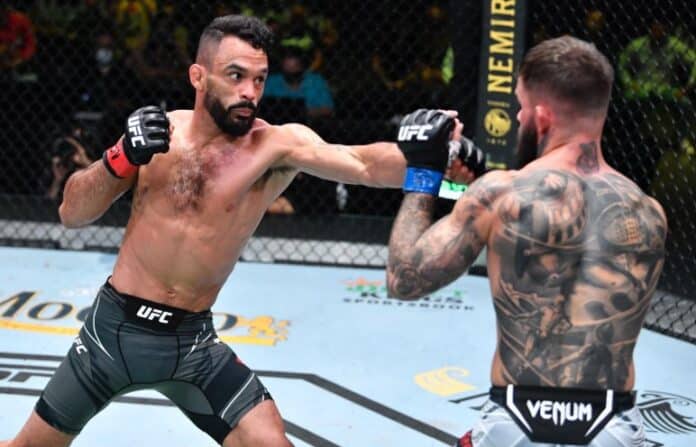
MMA has followed a similar arc. ONE Championship, which has Filipino fighters on its roster and holds events in Manila, has turned the country into one of its most significant markets outside Singapore. The sport’s emphasis on striking and grappling as a physical expression of individual skill resonates with a culture that has already elevated those qualities in boxing. Filipino fighters competing in international MMA organizations carry national expectations in ways that parallel what Pacquiao carried in boxing: every bout is watched as a statement about the country’s standing in global combat sports.
Layered under all of this is the PBA, the Philippine Basketball Association, founded in 1975 as the first professional basketball league in Asia and the second-oldest professional basketball league in the world after the NBA. The PBA is not combat sports in the traditional sense, but it occupies a similar emotional position in Filipino life. Games are nationally broadcast events; franchises are followed with the kind of loyalty that takes decades to form. What this breadth of sports culture creates is a population accustomed to following live sports with serious attention, to having opinions about outcomes before they happen, and to treating the viewing experience as a social act rather than a passive one. That orientation does not stay neatly within the boundaries of any single sport.
The country’s shift toward digital sports consumption has been fast and thorough. The Philippines ranks consistently among the highest mobile internet users in Southeast Asia by time spent, and streaming access to live sports has expanded significantly. Filipino fans who once gathered around a single television set in a neighbourhood store to watch a Pacquiao fight now follow events through mobile apps, real-time group chats, and social media streams, often all at once. The logistics of fandom have changed; the intensity has not. This mobile-first landscape has also opened up a form of sports engagement that did not previously exist at scale for most Filipino fans: online sports betting.
Sports betting in the Philippines operates within a regulated framework that has developed over time. PAGCOR, the Philippine Amusement and Gaming Corporation established in 1977, licenses operators permitted to offer sports wagering to Filipino residents. The regulatory structure exists to distinguish legal, licensed activity from unlicensed offshore operations that carry no consumer protections. For Filipino sports fans who are 21 or older and interested in participating, Philippine sports betting platforms operating under PAGCOR authorization cover a wide range of sports markets, including basketball, boxing, volleyball, esports, and football, reflecting what Filipino fans actually follow. Revenue Memorandum Circular No. 57-2026 codifies the tax treatment of gambling winnings for Philippine residents, setting a flat 20% withholding tax on those winnings, a marker of how the government categorizes this as formally regulated leisure activity rather than a grey-market pursuit. E-wallet services like GCash and Maya are common withdrawal methods on licensed platforms, though transaction processing can take up to two days depending on the operator and verification requirements.
For most fans involved, sports betting functions as an extension of fandom rather than a separate activity. Following a PBA playoff game with a small wager on the outcome sharpens attention in ways already embedded in Filipino sports culture: the debate in the group chat, the prediction shared before tip-off, the post-match analysis that runs long into the night. The same dynamic applies to boxing events featuring Filipino fighters, where emotional investment is already high and placing a bet on a favourite formalizes a view the fan already holds. This does not transform sports into a financial instrument; it deepens the experience of watching sports as entertainment, giving each result a weight that goes beyond the final scoreboard.
What the growth of licensed sports betting in the Philippines reflects is not a population discovering gambling but a population with a sophisticated sports culture finding a new form of engagement rooted in what they already do. The Filipino sports fan, shaped by Pacquiao’s legacy, by five decades of PBA competition, by WWE crowds that match anything the promotion sees anywhere in Asia, by ONE Championship fighters who carry the country into international arenas, brings to sports betting the same habits of analysis and emotional investment they bring to the sports themselves. The regulated framework PAGCOR provides means that this engagement, for those who choose it, happens with consumer protections in place and within a structure the state has chosen to manage rather than prohibit. The bell rings, the whole country watches, and the conversation about what happens next has always taken many forms.