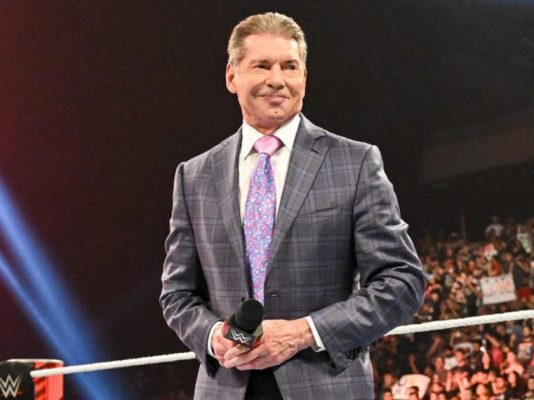

For decades, many followers have flocked to watch professional wrestling on television and pay for live events on cable. But today’s wrestling fan is different from his predecessors. He or she typically consumes wrestling on a variety of different media platforms, often attending live events as well. In this new era, wrestling fans may be some of the most cross-platform consumers in all of show business.
Spending habits and the broader entertainment appetite
Wrestling audiences have proven remarkably willing to spend on entertainment outside live events, and that appetite extends into gaming, where visiting a casino in the UK or placing bets on fantasy sports leagues has become a documented part of how hardcore fans fill the gaps between pay-per-view nights. In its media consumption outlook, PwC tracks entertainment trends in many markets around the world. The following chart shows how wrestling fans compare to other groups of entertainment consumers globally, indexing higher if they spend above average on discretionary entertainment.
Fans are reaching for their wallets for a reason – and it’s not just for WarGames or Championship matches. Fans of all levels, including hardcore wrestling diehards, are looking to fill the space left by WWE and AEW when they schedule a periodic pause between big shows.
Music, film, and live events as natural crossovers
Audiences comprising fans of other entertainment genres, such as sport, often also represent potential viewers of wrestling content. Research by industry group UK Music revealed that a greater proportion of sports fans are also likely to attend live concerts than those who do not follow sport. Furthermore, data produced by the British Film Institute (BFI) in relation to film audiences indicates that there is a consistent level of viewership for documentary movies relating to sport and associated disciplines, including films featuring individual athletes and profile pieces on combat sports.
Wrestling’s influence on popular culture has meant that the lines dividing professional wrestling from mainstream media have become increasingly blurred, allowing WWE talent to more easily appear on TV in crossovers like the recent BBC wrestling reporting segment. They are also more likely to feature in TV shows and movies like No Holds Barred or Zombies From Outer Space in order to attract WWE fans who may not otherwise be interested in that particular type of entertainment.
Streaming and digital consumption patterns
The rise of live events and streaming across all sports may have brought about shifts in viewer behavior, and wrestling is no different. The WWE Network’s transition to Peacock and AEW’s streaming deal with Max now sees wrestling content housed alongside films, prestige TV, and high-end sports documentaries on the same platform.
Viewers may be primarily coming to an app to purchase a pay-per-view event, but then also be interested in viewing other content available in the same app. Indeed, according to some platform analytics, sessions can often extend well beyond the original intent (e.g. to view one event) as viewers are also interested in viewing other content that is adjacent to their goal. The neighborhood in which an app resides matters.
A fan base that moves across formats
Wrestling fans are not isolated groups simply waiting for the next event. Being active participants in entertainment, their interests are organized around their primary fandom, with their secondary passions playing secondary roles in their overall entertainment diet. From a media and content creators’ perspective, a closer understanding of this active audience is a worthy pursuit through the lens of their interests in video games, music, movies and TV, and digital streaming services.