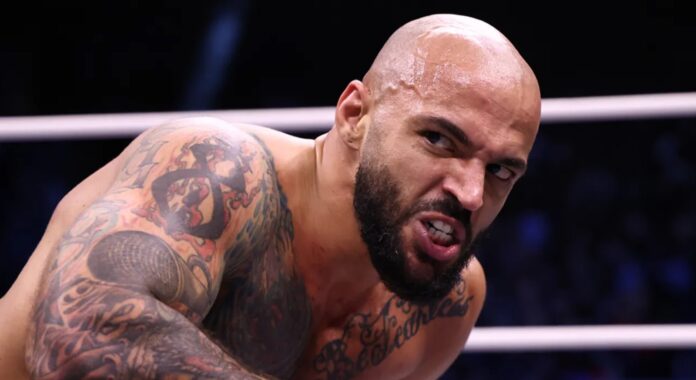
Earlier this month, Ricochet stirred debate online after criticizing WWE on Twitter/X, writing that the company “kills legacies and love of the sport.” He also posted, “I’d argue El Generico has a better legacy than Sami Zayn.”
The comments sparked significant discussion among fans, with many interpreting them as Ricochet dismissing his time in WWE. However, during a recent interview with Josh Martinez, Ricochet clarified that he did, in fact, value his five-year run with the company.
“I feel like the biggest misconception is that I didn’t enjoy my time there at all,” Ricochet said. “Obviously, I had five years there—great memories, great friends, great moments that I feel like I was able to make.”
He acknowledged that some of his standout moments were ones he felt he had to create for himself rather than being handed major opportunities, but he emphasized that his overall experience wasn’t negative.
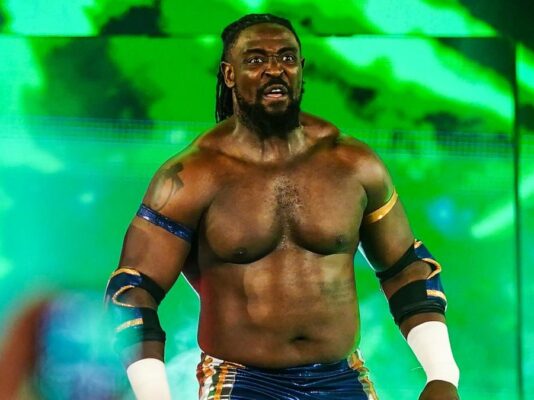
Ricochet also pointed to the support he received backstage, specifically mentioning Big E.
“Even with Big E, I remember sitting in the back with him… really opening up about my problems and how I was feeling. He was right there with me. He knew exactly how I felt and he talked me through it.”
According to Ricochet, his earlier comments were directed specifically at the wrestling side of things — not popularity, friendships, or his overall experience within the locker room.
“At the end of the day, though, I always talk specifically about wrestling… That’s what I was talking about. Not popularity, not any of the other stuff. But people hear what they want to hear and run with that.”
Ultimately, Ricochet framed his departure as a matter of fit rather than resentment. He suggested that his in-ring style and identity — shaped during his independent wrestling days, including IWA Mid-South — weren’t fully realized in WWE.
“I just feel like it wasn’t the right fit for me. It wasn’t where I felt like Ricochet’s fans were getting the most out of Ricochet… So for myself—and specifically for the Ricochet fans out there—I knew it just wasn’t it.”
While his initial remarks ignited controversy, Ricochet’s follow-up paints a more nuanced picture: appreciation for the relationships and memories he built, paired with a belief that creatively, his wrestling identity thrived elsewhere.