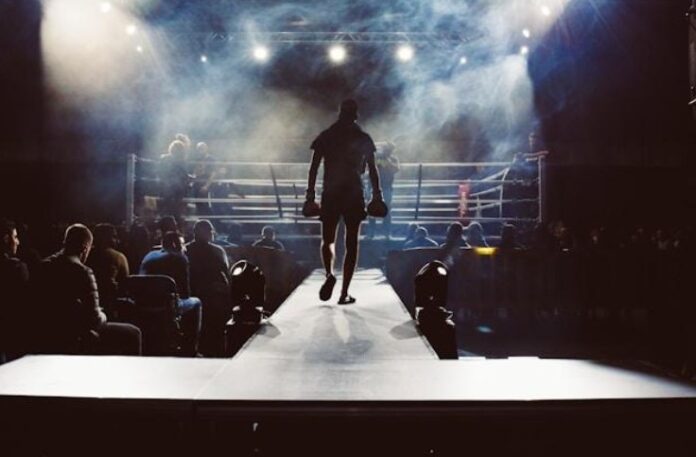
Professional wrestling has always travelled well. A good rivalry, a strong entrance, a dramatic near fall or a surprise return can connect with fans anywhere in the world. But in recent years, international wrestling events have started to feel less like occasional special attractions and more like a major part of the industry’s future.
WWE, AEW, TNA and other promotions are no longer treating global audiences as distant viewers. They are taking major shows, live events, premium cards and crossover moments into new markets. That wider attention brings in everything from live coverage and fan media to merchandise, travel packages and sports betting discussion, but the real story is how wrestling itself has become more international in feel.
For fans, that shift is exciting. It means more cities get the chance to host major moments. It also means wrestlers perform in front of crowds with different chants, reactions, traditions and expectations. A match in London, Tokyo, Toronto, Perth, Berlin or Mexico City does not always feel like the same match in another building. The crowd changes the atmosphere.
Why global crowds matter
A wrestling crowd is not just background noise. It is part of the show.
The best matches often depend on the audience understanding the story and responding at the right moments. A heel promo can feel sharper when the crowd pushes back. A babyface comeback can feel bigger when the building rises with it. A surprise entrance can become unforgettable if the reaction is loud enough.
International crowds bring their own style. Some are vocal all night. Some sing. Some clap in rhythm. Some react with football-style chants. Others stay quieter during holds and explode when the match reaches its closing stretch.
That variety makes global shows feel different. Fans watching at home can tell when a crowd gives an event a special energy.
WWE has leaned into international momentum
WWE’s international calendar has become more important than it used to be. Big events outside the United States are no longer rare experiments. They are part of how the company presents itself as a global entertainment brand.
Shows in the UK, Europe, Saudi Arabia, Australia and other regions have demonstrated that major wrestling events can work well outside traditional US arenas. The reactions often feel fresh because fans in those markets know they may not get these events every year.
That creates urgency. When a major title match, return or storyline beat happens overseas, the crowd treats it like a moment they earned.
This is one reason international premium live events have become so valuable. They give WWE a different kind of atmosphere without changing the core product.
AEW’s global appeal is growing too
AEW has also built part of its identity around international wrestling influences. Its roster includes talent shaped by Japanese wrestling, Mexican lucha libre, British wrestling, American independents and major TV-style storytelling.
Events such as Forbidden Door show how valuable cross-promotional wrestling can be when fans are willing to follow more than one company. AEW’s relationship with NJPW and other international promotions has helped create matches that feel different from a standard weekly TV feud.
AEW Double or Nothing 2026 also showed how the company continues to build around major event weekends, with the show taking place at Louis Armstrong Stadium in Queens, New York, and featuring high-stakes matches across the card. At PWMania, we regularly cover this wider mix of AEW news, WWE stories, spoilers, results and wrestling rumours, which reflects how connected the modern wrestling audience has become.
Cross-promotional wrestling feels more natural now
For years, wrestling fans imagined dream matches that seemed unlikely because of company politics. Now, while barriers still exist, crossover wrestling feels more possible than it once did.
Fans are more aware of wrestlers across different promotions. Social media, streaming platforms and international tours have made it easier to follow talent outside one company. A wrestler can build a reputation in Japan, become popular on the independents, appear in AEW, then later become part of a major WWE conversation.
That movement has changed fan expectations. Supporters are less likely to think only in terms of one promotion. They follow wrestlers, styles and stories across the whole industry.
This is good for wrestling. It creates more conversation and gives performers more ways to become known.
International events create different storytelling opportunities
Taking a major show to a new country can change the way a story feels. A wrestler with roots in that market may receive a hero’s welcome. A title match may carry extra emotion because of where it happens. A crowd may turn an expected reaction into something completely different.
Promotions can use that energy carefully. A home-country challenger can make a championship match feel more important. A returning veteran can receive a reaction that would be hard to recreate elsewhere. A faction with international appeal can feel bigger when it performs in front of a crowd that has waited years to see it live.
The danger is forcing the moment. Fans know when a hometown story is genuine and when it feels manufactured. The best international moments work because the emotion is already there.
Travel has become part of the wrestling calendar
For fans, major wrestling events are now travel occasions. People fly to WrestleMania, All In, Royal Rumble, SummerSlam, Forbidden Door and major overseas shows the same way others travel for football finals or music festivals.
That changes the atmosphere. A big wrestling weekend is no longer just the show itself. It includes fan meetups, independent events, podcasts, signings, watch parties and social media coverage. The main event becomes the centre of a wider wrestling weekend.
This is especially true in cities that rarely host major shows. Fans build the trip around the experience, not only the card.
Wrestlers benefit from broader exposure
International events also help performers. A wrestler who receives a major reaction in another market can gain momentum quickly. Clips travel online. Promos spread. Entrance reactions become part of the story.
For younger talent, working different crowds is valuable. It forces them to adjust timing, body language and pacing. A move that gets a huge reaction in one country may not land the same way somewhere else. A promo style that works in the US may need a different rhythm in front of a European crowd.
The best performers understand that. They listen to the room. They adapt without losing who they are.
The future of wrestling is less local than ever
Wrestling will always have local roots. Certain cities, venues and territories matter because of their history. Madison Square Garden, Arena México, Korakuen Hall, Wembley, Chicago, Philadelphia and countless other places carry their own meaning.
But the modern wrestling business is less limited by geography. Fans in one country can watch a show from another country almost instantly. They can follow wrestlers on social media, watch promos with subtitles, listen to international podcasts and buy merchandise from anywhere.
That has made wrestling feel more connected. It has also made fans more demanding. They know what is happening elsewhere. They compare products. They want variety.
Why international shows feel important
International wrestling events feel bigger because they carry a sense of occasion. They remind fans that wrestling is not just a weekly TV product. It is a live performance built around crowd emotion, timing and shared reaction.
When a major show leaves its usual setting, it can feel refreshed. The entrances sound different. The chants are different. The stakes can feel different, even when the storyline is familiar.
That is why global events are likely to remain central to wrestling’s next chapter. They help promotions reach new audiences, give fans unforgettable nights and allow wrestlers to test themselves in front of crowds that may react in ways they never expected.
Professional wrestling has always been at its best when the crowd feels involved. The more international the stage becomes, the more chances there are for those reactions to create moments fans remember long after the bell rings.