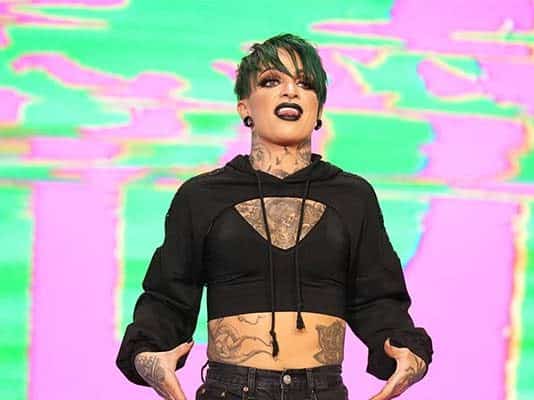

WWE star Becky Lynch has candidly shared her experience with postpartum depression, revealing that her symptoms began only after she stopped breastfeeding—a possibility she says she never knew existed.
Speaking on the Happy Mum podcast, Lynch explained that while she had anticipated the possibility of postpartum depression after giving birth, she was caught off guard when it developed after she had weaned her daughter.
“I had figured I’d probably be inclined to get postpartum depression, but nobody had told me that you can get it after you’re done breastfeeding. I breastfed for over two years.
So then, when she was over two and I weaned her, all of a sudden I’m so low. I was like, ‘What is happening?’ I had no idea until somebody told me. They were like, ‘Oh yeah, I got it after I weaned my daughter off.’ She became such a source of support for me. I didn’t realize that could happen.”
Lynch described the emotional toll the condition took on her, saying it dramatically changed how she viewed both herself and the world around her.
“I remember describing it as, like, I couldn’t see colors. Everything just felt gray and dull, and I had no hope. I didn’t want to get out of bed in the morning. I didn’t want to exist. I was just so low, and anything that went wrong went super wrong. I didn’t feel worthy of my husband, all of that stuff.”
The former multi-time WWE Women’s Champion also spoke about being open with others regarding her struggles, while acknowledging the concerns she sometimes had about how people might perceive her.
“I tell everybody because I don’t really know how to keep it in. Then I’m like, ‘Oh, now I sound like a nuts person,’ you know, sometimes as well. Then there is the worrying about other people’s perceptions of me.”
Lynch went on to reveal that acupuncture played a significant role in helping her recover, noting that she did not use medication during that period.
“But then, actually, acupuncture is what got me out of that. I never took any medication.”
By sharing her story, Lynch highlighted an often-overlooked aspect of postpartum depression, offering insight into how symptoms can emerge after breastfeeding ends and encouraging greater awareness of the different ways the condition can affect new mothers.